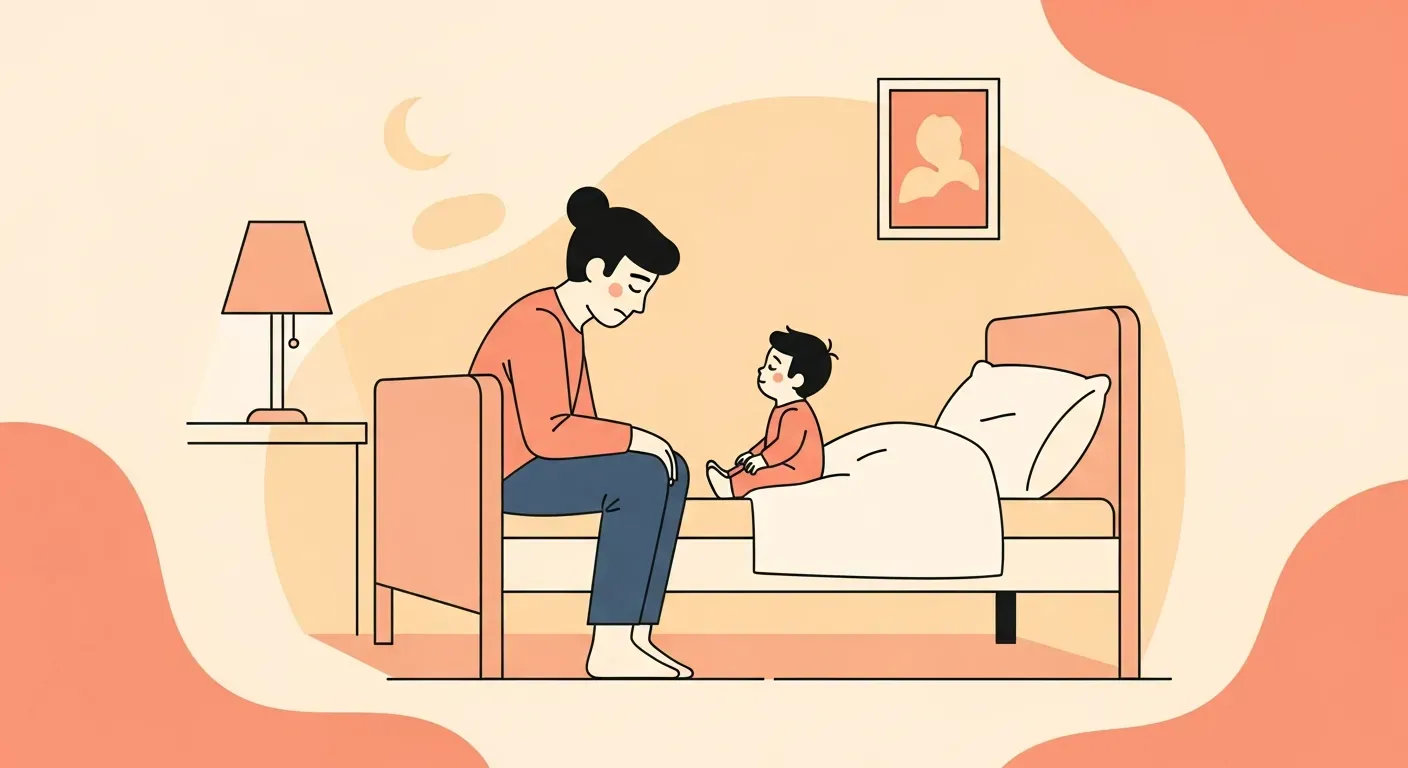
Why Bedtime Is a Battle (And How to Call a Truce)
The psychology behind toddler sleep resistance and practical strategies that actually work. No more hour-long bedtime sagas.
It's 8:47 PM. Your toddler has gotten up for the seventh time. "I need water." "My sock is itchy." "Where's my blue dinosaur?" You're exhausted, frustrated, and wondering if bedtime will ever not be a battle.
You're not alone. According to new research from the University of Michigan, 1 in 4 parents describe getting their young child to bed as difficult. But here's what most sleep advice misses: your toddler isn't fighting bedtime to spite you. They're fighting for two things every toddler desperately needs, control and connection.
The Real Reasons Behind the Resistance
They're Wired for Control
"Toddlers crave power. It's hard-wired into their brains," explains child development research. During toddlerhood, experimenting with control isn't defiance, it's development. Your child is literally programmed to test boundaries and assert their independence.
Think about it: all day long, we tell toddlers what to do. "Time for breakfast." "Let's get dressed." "Don't touch that." Then bedtime arrives, yet another transition they didn't choose. No wonder they push back.
They Need Connection (Especially at Night)
Here's a stat that might surprise you: the more a child is separated from their parents during the day, the more frantically they seek connection at bedtime. After a full day at daycare or with a babysitter, your toddler's emotional tank might be running on empty.
Those "curtain calls" (the endless requests after lights out)? They're not just stalling tactics. They're connection-seeking behaviors from a child who genuinely misses you. If your child is also physically leaving the bed, our survival guide for toddlers who won't stay in bed digs deeper into that pattern.
Their Brains Aren't Ready to "Just Sleep"
A Penn State study from November 2024 found that consistency matters more than sleep duration for emotional regulation. Why? Because toddler brains need predictable cues to transition from play mode to sleep mode.
Without these cues, asking a toddler to go from building block towers to lying still in the dark is like asking you to go from a work presentation straight to deep meditation. It's neurologically jarring.
Why Traditional Sleep Training Falls Short
Most sleep advice treats bedtime like a compliance issue. "Be firm." "Don't give in." "Let them cry it out." But when you understand the psychology, you realize: fighting for control only creates more resistance.
Research shows that "active parental involvement at nighttime and excessive comforting" can actually worsen sleep problems. But here's the twist: so can being too hands-off. The key is finding the sweet spot between support and independence.
The Truce: Strategies That Actually Work
1. Give Control Within Boundaries
Instead of fighting their need for control, channel it:
- "Do you want to brush teeth first or put on PJs?"
- "Should we read two books or three tonight?"
- "Do you want the nightlight on or off?"
Limited choices satisfy their autonomy without derailing bedtime. One mom reported her battles dropped by 80% just by letting her toddler choose which stuffed animal "guards the door" each night.
2. Build Connection Into the Routine
Research shows that just 10-15 minutes of focused one-on-one time can dramatically reduce bedtime resistance. Try:
- The Daily Replay: Spend 5 minutes recapping their day together
- Gratitude Whispers: Share three things you loved about them today
- Tomorrow Preview: Talk about one fun thing happening tomorrow
This fills their emotional tank before separation anxiety kicks in.
3. Create a "Wind-Down Runway"
New research emphasizes that toddlers need transition time. Start dimming lights 30 minutes before bed. Turn off screens 2 hours prior (blue light tells their brain "stay awake!"). Create a visual routine chart they can follow independently. If you need a framework, check out the 5-minute bedtime routine that works for most families.
4. The "Take a Break" Reset
When battles escalate, sleep experts now recommend the "pause and reset" method:
- Stop trying to force sleep (15-20 minutes)
- Do a calm activity together (coloring, puzzles)
- Try a shortened bedtime routine
- Return to bed with less pressure
This prevents bedtime from becoming a power struggle neither of you can win.
Real Wins from Real Parents
Emma, mom of 3-year-old twins: "We started 'bedtime choices' - they pick their PJs, which songs to sing, even which way to walk to their room. Bedtime went from 90 minutes to 30."
Marcus, single dad: "I realized my son's resistance peaked on my work-late days. Now I do 'connection time' right when I get home, even if it pushes bedtime later. Ironically, he falls asleep faster."
Priya, mom of a strong-willed 2-year-old: "We made a picture chart of our routine. She loves moving the magnet to each step. It's HER bedtime now, not mine imposing bedtime on her."
When It's More Than Normal Resistance
While bedtime battles are common, persistent severe sleep issues might indicate:
- Anxiety (1 in 4 kids can't sleep due to worries)
- Sensory sensitivities
- Major life changes or stress
- Inconsistent sleep schedules
Trust your instincts. If something feels off, it probably is.
The Long Game
A consistent bedtime routine isn't just about tonight's sleep. Research from 2024 found that children with regular bedtimes at ages 3, 5, and 7 showed steady decreases in behavioral problems over time.
You're not just ending today's battle, you're building tomorrow's emotional regulation skills.
Your Bedtime Battle Plan
Tonight, try this:
- Start earlier than you think (tired kids are harder to settle)
- Give two choices about something in the routine
- Add one connection ritual (even 2 minutes helps)
- Stay calm when they test (they will, it's their job)
- Celebrate small wins ("You stayed in bed for 5 whole minutes!")
Remember: You're not trying to win a battle. You're teaching a skill. And skills take time.
Keep reading:
- The 5-Minute Bedtime Routine That Actually Works
- When Your Toddler Won't Stay in Bed: A Survival Guide
- The Screen Time Tantrum Cycle: How to Break Free
The Momwise Difference
Bedtime battles leaving you drained? Momwise can help you create customized sleep routines based on your child's temperament, your family schedule, and what actually works in real life. Because generic sleep advice doesn't fit every family.
Stop fighting biology. Start working with it. Your future well-rested self will thank you.
Sweet dreams (eventually).
Momwise handles the chaos so you don't have to
Scheduler, Meal planner, Sidekick and Househand take the calendar, dinner and to-dos off your plate. Try your village free for 3 days, no card.
You might also like

When the Room Is Too Bright to Sleep: A Parent's Guide to Light & Bedtime
Struggling with a bedroom too bright for baby sleep? Learn why darkness matters for melatonin, what's 'dark enough,' and practical solutions for every sleep space.

The Nap-on-the-Go Playbook: Strollers, Cars, and Carriers
Learn how to get baby to nap on the go safely. Expert tips on when motion naps work, safe sleep rules, transferring sleeping babies, and recovering your schedule.
The 5-Minute Bedtime Routine That Actually Works
Forget the 45-minute bedtime sagas. Here's a simple, repeatable routine that gets your toddler to bed without the nightly battles, perfect for exhausted parents.